Rechargeable lanterns · Review
BioLite Luci Original Review (Bought & Tested!)
I bought this lantern with my own money and put it through 15 hands-on tests.
- Brightness 34 lm
- Shine distance 2.2 ft
- Run-time 51 hrs
- Battery 2,000 mAh
This page contains affiliate links, and that means that I may earn a commission if you buy something, at no extra cost to you. You can find my full disclosure policy here.
Test scorecard
Overall, though the BioLite Luci Original is really high quality, durable, USB powered and even solar powered, the light was a little too glaring for my needs.
- Easy inflation and deflation
- Very portable
- USB and solar charging
- High quality
- Durable
- Light is very harsh (cool white)
- No frosted globe
Note I prefer other more frosted and warmer versions of this lantern, like the BioLite Luci Charge 360 (read my review here) instead.
If you prefer watching to reading, check out my video here instead.
See the 15 tests
Note I bought this lantern when it was the “Mpowerd Luci Pro”. BioLite acquired Mpowerd in 2024 and rebranded it to the “BioLite Luci Original”. All the tests still apply.
In the Box
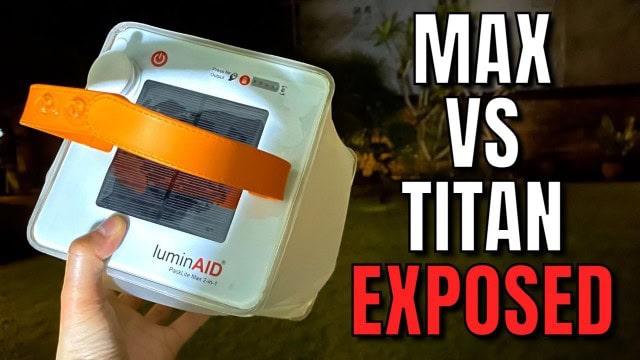
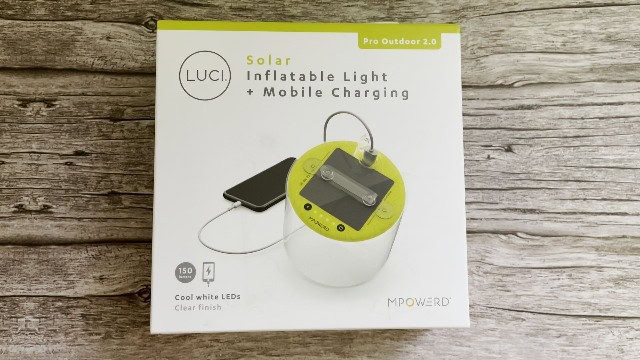
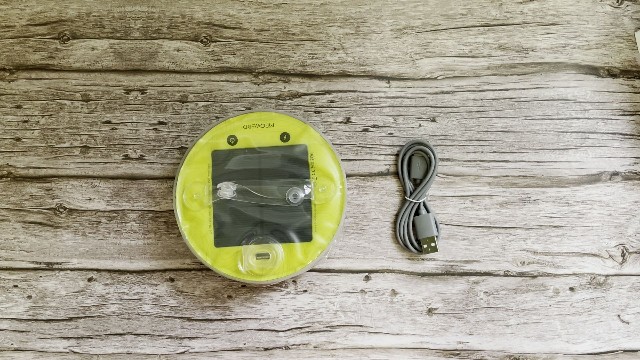
Here’s what the BioLite Luci Original looks like, and what came inside:
- Luci lantern
- Charging cable
Inflation and Deflation
Pull out the valve at the bottom, pull the cap off, pinch where it says “squeeze here”, and blow. It takes only one breath.
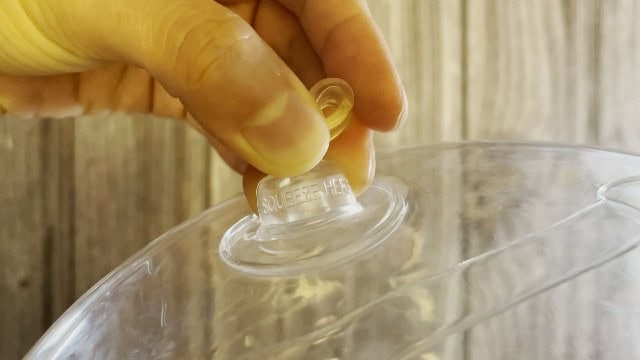
Then cap the valve and push it back in so it sits flush with the surface. Deflating is just the opposite.
Buttons
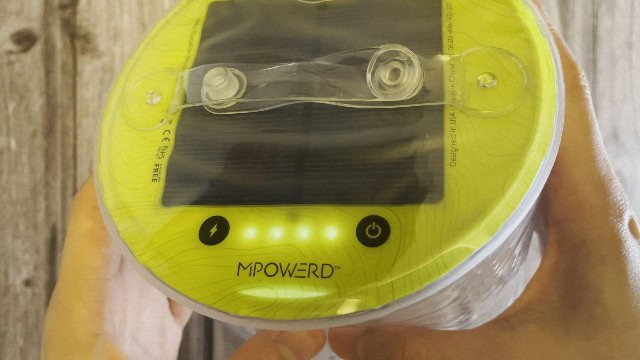
There are 2 buttons (power, and the battery level indicator). Both sit flush with the surface, which makes them hard to find in the dark.
Brightness Settings
Four modes, cycled with the power button: Low, Medium, High, Flashing. There’s no memory setting.
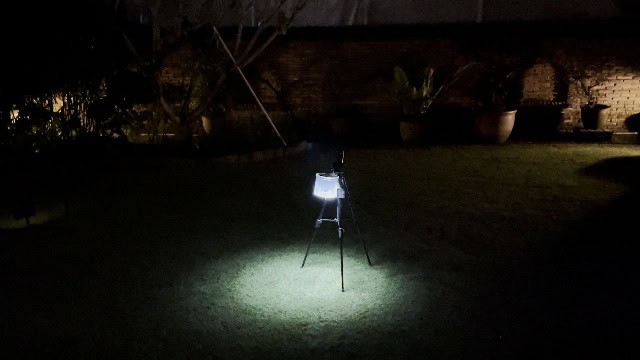
Pro Tip To skip cycling through every mode, press and hold the power button for 2 seconds to switch off directly.
Lumen Output
| Brightness mode | Official specs | My testing |
|---|---|---|
| Low | Unclear | 0 lumens |
| Medium | Unclear | 17 lumens |
| High | 150 lumens | 34 lumens |
| Flashing | Unclear | 34 lumens |
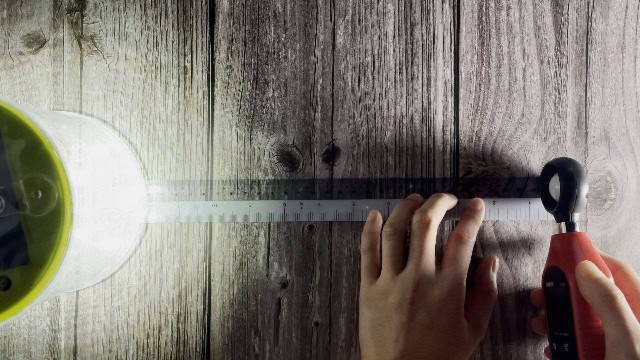
Note that these are measured from the side of the Luci, not facing the lights directly.
Shine Distance
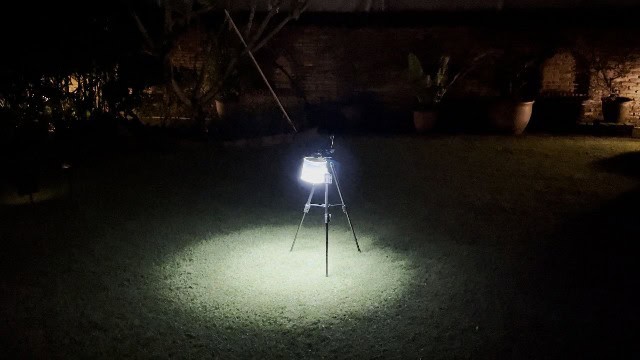
The shine distance came in at 2.2 feet which is enough to light a 2-person tent, and nothing more.
Run Times
| Light mode | Official specs | My testing |
|---|---|---|
| Low | 50 hours | 51 hours |
| High | 5 hours | 5.25 hours |
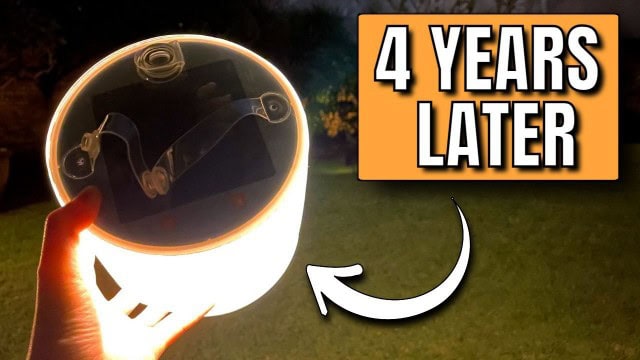
I ran these after owning the Luci for about 4 years with light use, so holding its original capacity that well is impressive.
USB Charging
- Full charge via USB 2.75 to 3 hrs
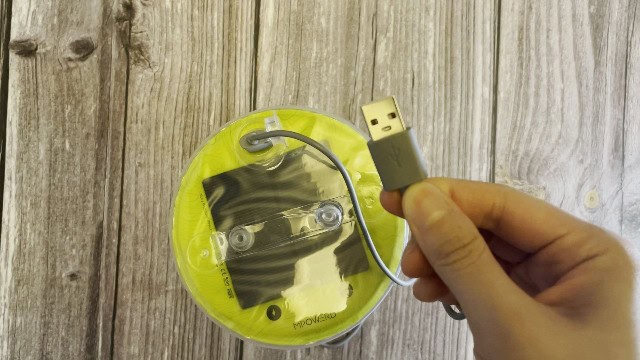
Newer Lucis have both a USB-A output and a USB-C input; mine is the older model with just one USB-A port.
Solar Charging
The Luci is also a solar lantern, so it can be charged entirely by sun.

- Full solar charge 5-7 daysat 12 hours of sunlight each
- After 1 day of sun 15-20% charge
Mobile Charging
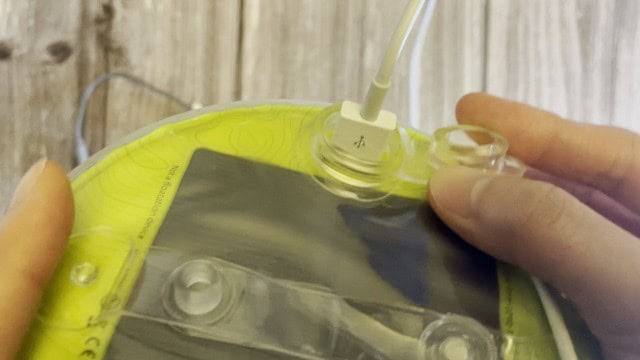
The USB port also charges phones. Here’s what I got with my iPhone 12 on a single charge:
- Capacity 2,000 mAhmy iPhone 12 is 2,815 mAh, hence no full charge
- iPhone 12 charge 17% to 66% (total 49%)
- Charge timing 1 hr 20 min
Battery Level Indicator
Press the battery button and the lights show for 4 seconds. Here’s what each level meant during my low-brightness run-time test:
- 4 lights 100%
- 3 lights 74.5%
- 2 lights 57%
- 1 light 27.5%
- 0 lights 0%

Straps
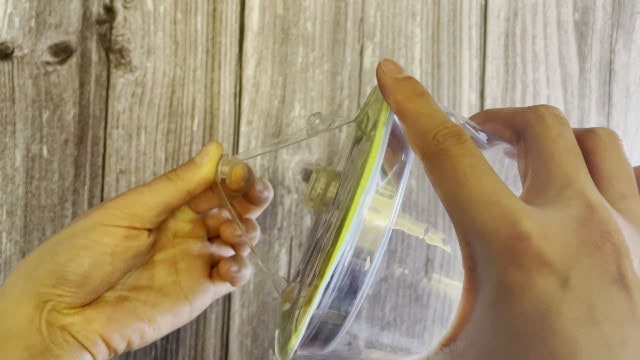
The Luci has 2 straps (an adjustable one at the top over the solar panel for hanging it in a tent, and a fixed one at the bottom).
IP Rating
The Luci Original is rated IP67 (submersible to 1 meter for 30 minutes). I tested exactly that by tying it to a pole in a swimming pool.
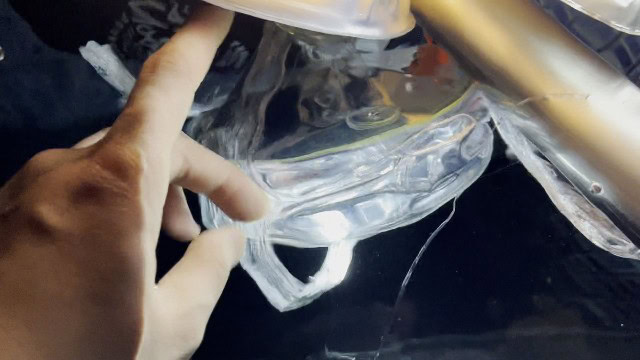
Getting it down to 1 meter was hard because it’s so buoyant even deflated. After 30 minutes it still worked perfectly, with not a single drop of water inside. The port plug seals really well.
Drop Testing
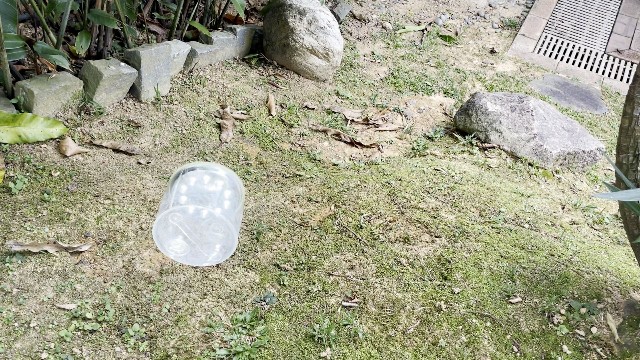
I rolled it down a small slope and it was completely fine, thanks to all the air inside.
Portability
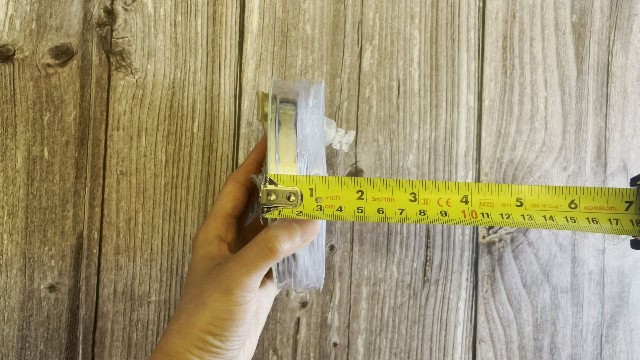
- Weight 6.1 oz
- Packed size, deflated 5.1 x 5.1 x 1.25 in
Pros, Cons, Recommendations
Now, what are the pros and cons, and would I recommend the BioLite Luci Original?
Easy inflation and deflation
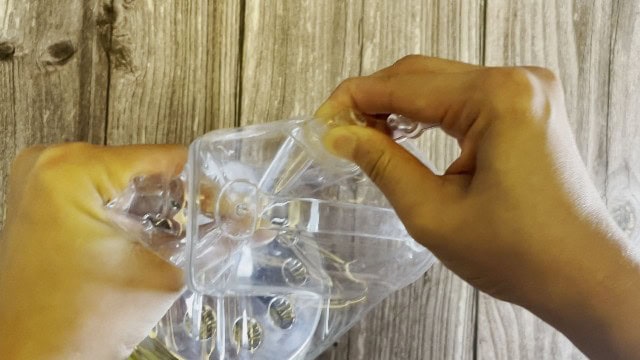
It inflates in less than one breath, so you don’t end up blue in the face. Deflating is just pressing the air out while tucking the plastic in.
Lightweight and compact
At 6.1 oz this is super compact and portable, probably the main reason you’re considering it.
USB and solar charging
Full solar charging is fantastic in a pinch in the backcountry, since you’ll get at least a few hours of sunlight every day to top it up.
Shockingly durable
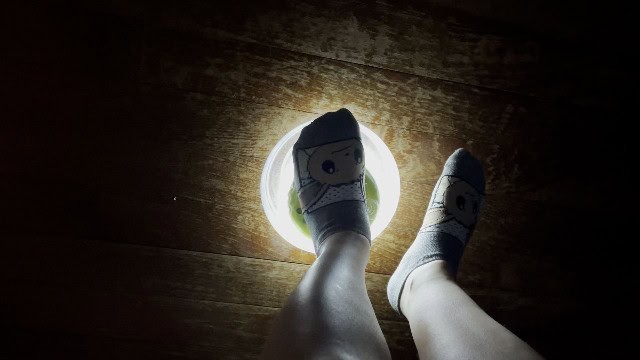
It takes 150 pounds of pressure. I stood on it and it didn’t pop.
Build is high quality
After 4 years of shelf life the battery doesn’t seem to have depleted much at all.
Sharp objects can puncture it
Sharp pressure can pop the lantern, and then it won’t inflate anymore.
Breath droplets inside lantern
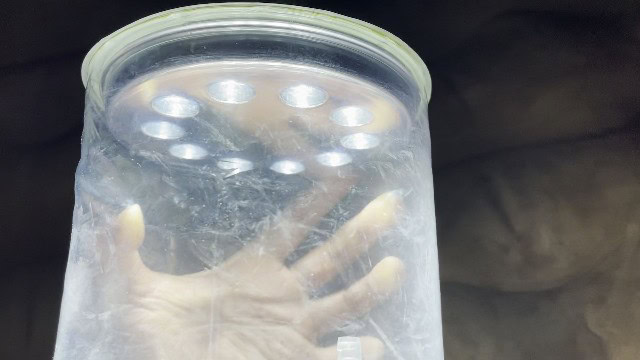
I don’t love inflating by breath. Water droplets form inside and it starts looking dirty after a while.
Light diffusion isn’t great
This is why the measured lumens are so low. The Luci has no frosted globe to act as a diffuser, so light doesn’t spread outward and the count drops fast with distance.
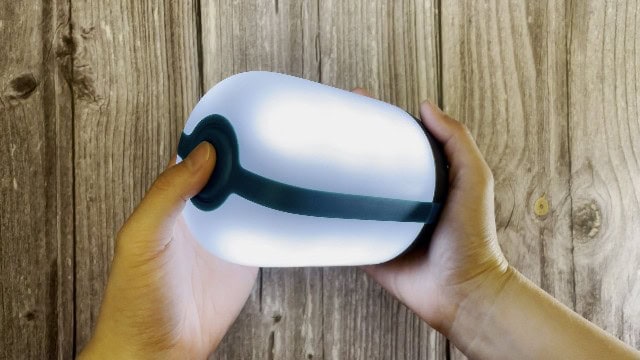
You can see the difference in my BioLite AlpenGlow 500 review.
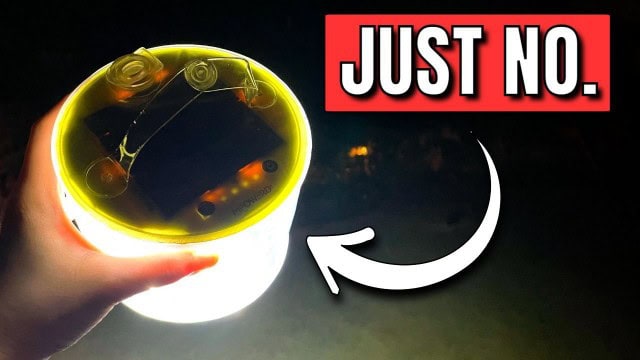
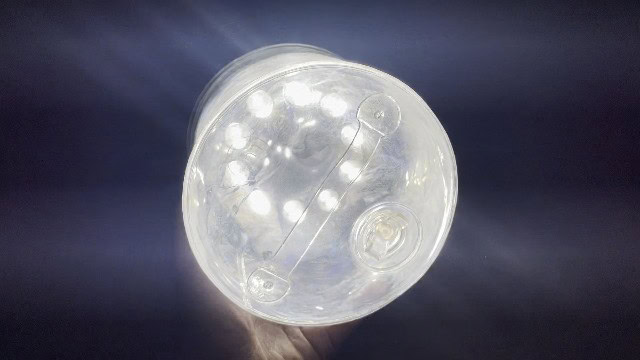
Light is very harsh
Without a diffuser, staring into the 10 LEDs at the top is really glaring up close. Measured from the front instead of the side:
| Light mode | Lumens (side) | Lumens (front) |
|---|---|---|
| Low | 0 | 382 |
| Medium | 17 | 1,540 |
| High | 34 | 2,500 |
That’s 2,500 lumens straight at you on the brightest setting, with no soft diffusion at all.
1-year warranty
Only 1 year, which is really quite short.
Overall recommendation
This is definitely not my favorite solar lantern to use in a tent or camping, because of the light diffusion and quality. It may be fine for nighttime walks when the light isn’t facing you. For a much better version of this lantern, see my review of the BioLite Luci Charge 360 (warm lights and a frosted globe).
Bonus: Must Read!
I do use other rechargeable LED tent lights, which you can check out if you’re interested.
Every figure above is from my own testing. Measured by hand, bought with my own money.